
This post mirrors an update Dr. Ningjing (Natalie) Zhang shared on LinkedIn, lightly edited for the website.
Some conferences you attend for the CPD credit. Some you attend because the topics and the speakers themselves are the credit.
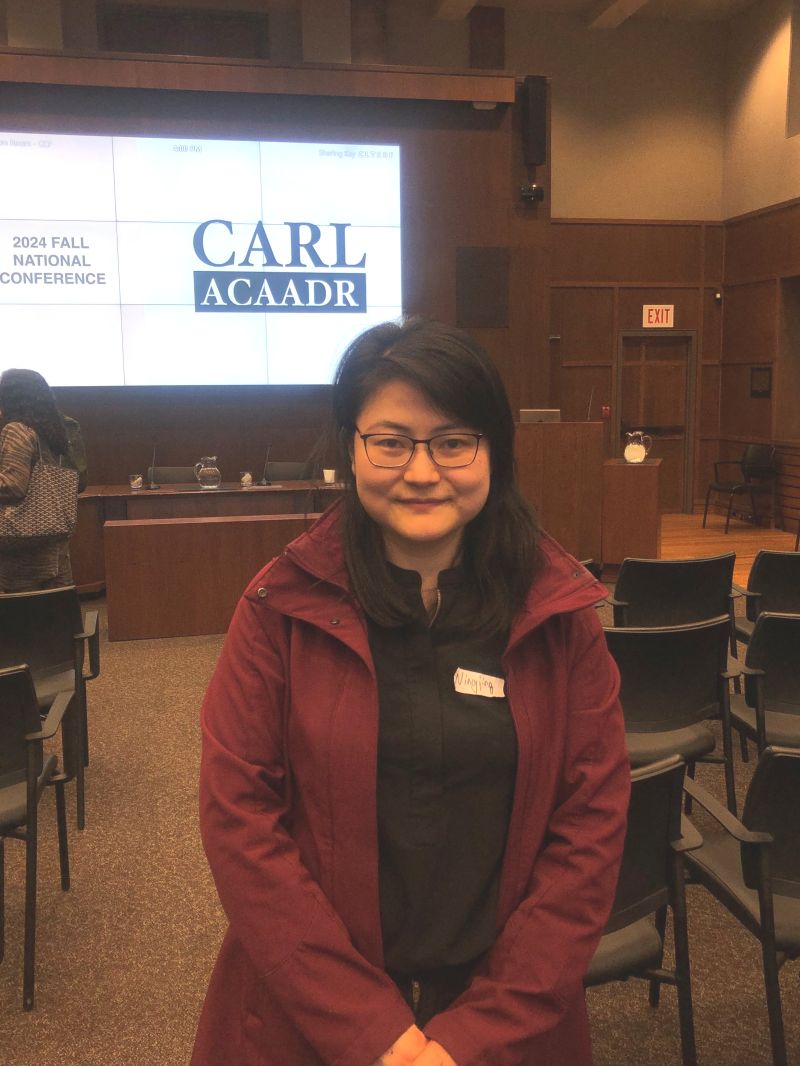
The Canadian Association of Refugee Lawyers (CARL) National Spring Conference in 2026 was the second kind. The whole room understood the stakes. Two sessions stayed with me as I went back to my own files.
PRRAs after Bill C-12: practice and judicial review
Anne Cécile Khouri-Raphael and Laura Best gave one of the most honest and technically rigorous walkthroughs I have seen of where Pre-Removal Risk Assessments (PRRAs) are heading, and of how often they are still filed as if they were paperwork.
A PRRA is often the last legal protection before removal. There is usually no second chance. When a lawyer or consultant treats it as a form to fill in, without the knowledge and skill it requires, a real person pays for it, sometimes with their safety. I have had clients in crisis after a poorly prepared PRRA and a removal date. This is not rhetorical. For more on this area, see our guides on PRRA submissions after Bill C-12 and what happens at a PRRA hearing.
Strategic motions at the Federal Court
Maureen Silcoff and Lorne Waldman walked through how experienced refugee counsel actually use motions, where they fail, and where they decide cases. It was the difference between filing a record and litigating a case.
Useful anger
I came back angry. Useful angry. The kind that goes straight into the next file on my desk, including new removal files where earlier representation had left the client exposed. The sessions sharpened how I approach that work.
What I did not expect was to meet in person, for the first time, Ronald Shacter, Adrienne Smith and Aminder Kaur Mangat, voices in immigration and refugee law I have read and learned from for years. CARL is a small community that takes its work seriously without taking itself too seriously. That is rare, and it is why I keep showing up.
Thank you to Aisling Bondy, Ben Liston, Adam B. Sadinsky and the CARL Education Committee for putting it together. To the lawyers I met for the first time: let’s keep building. The work is too important to do alone.
Reposting and quoting. You are welcome to repost, share or quote this post, and you do not need to ask us first. Please credit the source: Dr. Ningjing (Natalie) Zhang, BridgePoint Law, with a link to this page.
About the Author
Dr. Ningjing (Natalie) Zhang is the founder and principal lawyer of BridgePoint Law Professional Corporation, a cross-border immigration law firm with offices in Kingston, Toronto, and Shanghai. She is Vice Chair of the Ontario Bar Association’s Sole, Small and General Practice Section and a returning executive member of the OBA Immigration Section. In 2026, she was named the Inspirational Entrepreneur and one of Kingston’s 40 Under 40 by the Kingston Economic Development Corporation, and she is an author of Thomson Reuters’ Fiduciary Duties in Canada. She practises in English, Mandarin, and Cantonese.
Disclaimer: Everything on the BridgePoint Law website, including this article, is general information for reference only and is not legal advice. Reading it or contacting us does not create a lawyer-client (solicitor-client) relationship. Laws and government policies change often, and every case turns on its own facts. If you need advice on your own situation, you are welcome to book a consultation or contact us.
Talk to a Canadian immigration lawyer. BridgePoint Law advises individuals and businesses across Canada, and on Canada, US and China cross-border matters, on immigration, work permits and Federal Court litigation. Book a consultation with our team in Toronto and Kingston. We work in English, Mandarin, and Cantonese.