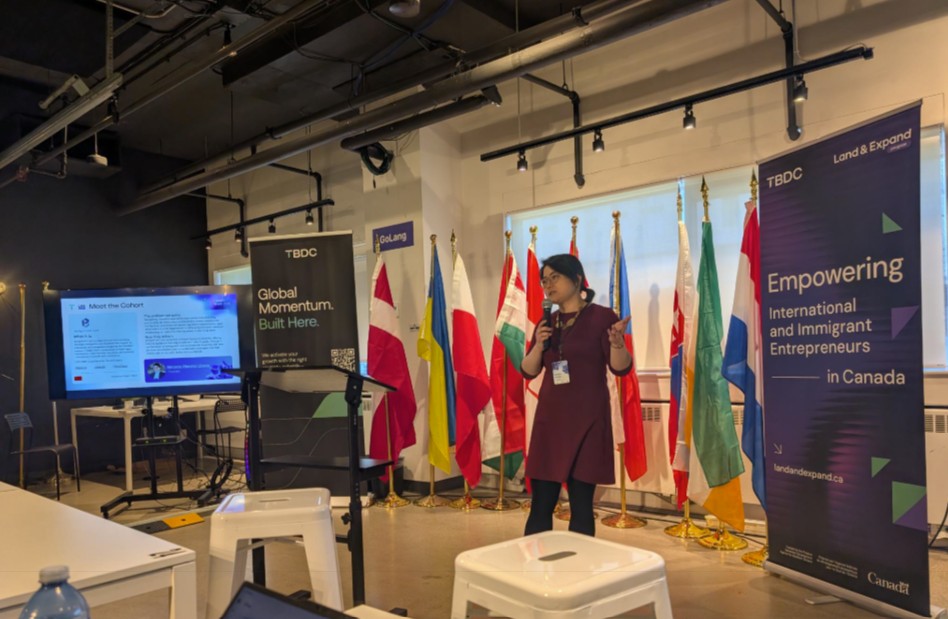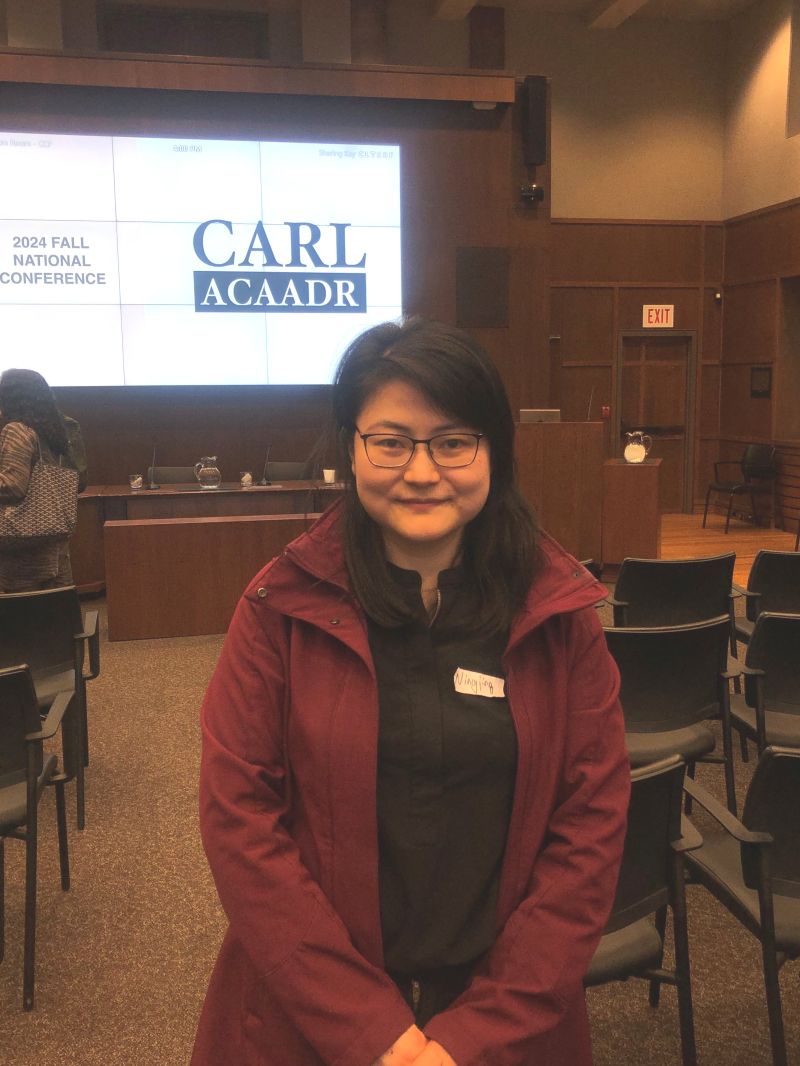


This article expands on themes from Dr. Ningjing (Natalie) Zhang’s featured Ontario Bar Association Section Insider article, “Hierarchy Is Not the Problem. How We Exercise It Is.” (2026), and her panel at the LSO Mental Health Summit 2026.
The Question That Should Keep Every Senior Lawyer Up at Night
In any law firm — large, mid-sized, or solo — there is one metric that quietly predicts almost everything else about firm culture, lawyer retention, mental health, and the careers of the people who come after you.
It is not your billable hour target. It is not your year-end revenue.
It is this question, asked honestly each Friday afternoon:
“Did the people working under me leave this week feeling safer asking the next question — or quieter?”
If you are honest about that answer, you already know more about the future of your firm than any HR report will ever tell you.
Hierarchy Is Necessary. It Is Also Never Neutral.
Law cannot function without hierarchy. Articling students learn from associates. Associates learn from partners. Counsel signs off on pleadings. Clients rely on supervising lawyers to catch mistakes. Hierarchy enables the transfer of expertise that is the entire economic and ethical foundation of legal practice.
But — as Harvard Business School professor Amy Edmondson‘s decades of research on psychological safety has shown — hierarchy is not the variable that determines team performance. What people inside the hierarchy feel safe doing is.
The same reporting structure that enables great mentorship also enables silence. The same authority that maintains professional standards can, if misused, create fear. The structure stays the same. What changes is whether it produces clarity and growth, or compliance and burnout.
This is the question senior lawyers in Ontario — and across Canada — increasingly cannot afford to ignore. The Federation of Law Societies, the Law Society of Ontario (LSO), and the Ontario Bar Association (OBA) have all elevated lawyer wellness as a priority. Toronto and Kingston firms alike are losing junior talent not because the work is hard, but because the cultures around the work are unsustainable.
The Real Cost of Getting This Wrong
The data is harder to ignore every year.
- Junior lawyers in toxic environments leave the profession at significantly higher rates within their first five years.
- Articling students who experience public humiliation are more likely to develop long-term anxiety responses to feedback — even from supportive supervisors later in their careers.
- Firms with low psychological safety experience more missed deadlines, more errors caught late, more client complaints, and more malpractice exposure — precisely because no one wants to raise a flag.
- The Bar’s most underrepresented groups — women, racialized lawyers, immigrant lawyers, first-generation professionals, solo and small-firm practitioners — bear the heaviest cost of poor hierarchy.
In other words: getting hierarchy right is not a “soft” issue. It is a risk-management issue, a recruitment issue, and a malpractice-prevention issue.
Five Habits That Make Law Firm Hierarchy Worth Following
The goal is not to flatten hierarchy. The goal is to make it worth following. Here are five habits that distinguish leaders whose teams flourish from those whose teams quietly disintegrate.
1. Ask Better Questions, Not Sharper Ones
The fastest way to identify a senior lawyer who is shaping careers — versus one who is breaking them — is to watch how they ask questions.
“Walk me through how you thought about this issue” produces a thinking lawyer. “Are you stupid?” produces a quiet one. The first question is harder to ask, slower to develop, and infinitely more valuable to the firm.
2. Name the Lid
Every firm has invisible rules that govern who can speak up, when, and about what. These are the “lid” — the unspoken ceiling on what is permitted to be questioned, challenged, or improved. Senior lawyers who name the lid out loud — “I want you to push back if you see something I missed” — give their teams permission to do the very thing that prevents catastrophic mistakes.
3. Own the Hard Conversations
Difficult feedback is part of legal practice. A draft is not strong enough. A research memo missed the controlling authority. A client interaction was off-tone. These conversations must happen. But there is a difference between delivering hard feedback in a way that builds competence and delivering it in a way that registers as humiliation.
The test is simple: does this feedback create clarity, or fear? Clarity points at the work. Fear points at the person.
4. Treat Dignity as Non-Negotiable
Public criticism. Eye-rolls in meetings. Sighing at someone’s question. Talking down to support staff. These are not “tough culture.” They are corrosion. Arthur Brooks at Harvard has documented that respect and dignity are not soft values — they are essential drivers of long-term professional performance and satisfaction.
A firm that treats dignity as non-negotiable is a firm that holds its standards higher, not lower, because it is asking everyone to operate at their full capacity.
5. Build Systems, Not Just Expectations
Individual goodwill is not a culture strategy. Culture is built by repeatable systems: structured check-ins with juniors, clear assignment briefs, anonymous feedback channels, peer-review processes, mentor pairings, written supervision standards. When the system supports good behaviour, good behaviour stops depending on whether the senior lawyer happens to be having a good week.
What This Looks Like at BridgePoint Law — Kingston, Toronto, and Beyond
BridgePoint Law was founded around these principles, not as marketing language but as the actual operating system of the firm. Our team in Kingston and Toronto is intentionally structured around:
- Transparent supervision standards and structured weekly check-ins
- “Ask anything” cultural norms — no question is treated as too junior
- Multilingual feedback channels (English, Mandarin, Cantonese) so language is never a barrier to raising a concern
- Mentorship that pairs junior team members with senior counsel intentionally, not by accident
- A leadership commitment to dignity that the founder has written about publicly — including in the OBA Young Lawyers Division and at the LSO Mental Health Summit 2026
Frequently Asked Questions
Why does law firm culture matter for clients?
Clients pay for the output of the team behind their file. A firm where junior lawyers feel safe asking questions catches errors earlier, drafts more accurate pleadings, raises concerns before deadlines pass, and ultimately delivers better outcomes. Psychological safety is not a perk for staff — it is a quality-control system that benefits the client first.
How do you measure psychological safety in a law firm?
Look at three indicators: (1) the rate at which junior lawyers raise concerns or push back on senior lawyers’ positions, (2) the rate at which errors are caught early in the file rather than late, and (3) voluntary retention of articling students past their first year. None of these show up in revenue reports, but all three predict revenue years out.
What’s the difference between high standards and bullying?
High standards are clear, specific, repeatable, focused on the work product, and explained with reasoning. Bullying is personal, unpredictable, focused on the individual, and delivered with contempt. The simplest real-time test: does this feedback give the person a path to improve, or just confirm that they are unworthy?
I am an Ontario lawyer or articling student experiencing a toxic culture. What can I do?
The Law Society of Ontario operates a free, confidential Member Assistance Program (MAP). The Ontario Bar Association has wellness resources. Many associations — including the Federation of Asian Canadian Lawyers, Women’s Law Association of Ontario, and South Asian Bar Association — operate peer support networks. You are not alone, and your career is not the price you have to pay.
How can I find a law firm that genuinely practices these principles?
Ask three questions in your interview: (1) “How does this firm handle junior lawyer mistakes — walk me through a real example?” (2) “What is your supervision structure?” (3) “How long do articling students typically stay after their call?” The answers will tell you more than any “great culture” Glassdoor review.
Read the Full OBA Article
The full version of this analysis — including Dr. Zhang’s personal reflections on her own path through the profession — was featured by the Ontario Bar Association in Section Insider (Sole, Small Firm and General Practice section), 2026.
Read the full OBA article: “Hierarchy Is Not the Problem. How We Exercise It Is.”
We Are Hiring
BridgePoint Law is growing. We are currently looking for a Case Manager to join our cross-border immigration and refugee practice across our Kingston and Toronto offices. Mandarin or Cantonese is a plus, not a requirement. The firm is structured around psychological safety, structured mentorship, and high standards — not survival.
If you are a paralegal, recent graduate, or experienced legal support professional looking for a firm that genuinely invests in the people inside it, send your resume to info@bridgepointlaw.ca with the subject line “Case Manager Application.”
About the Author
Dr. Ningjing (Natalie) Zhang is the founding lawyer of BridgePoint Law, called to the Ontario bar and a member of the Law Society of Ontario. Her writing on legal culture, mental health, and the experience of first-generation lawyers has been featured by the Ontario Bar Association Young Lawyers Division and Section Insider. She has spoken on hierarchy, dignity, and psychological safety at the LSO Mental Health Summit 2026.
BridgePoint Law serves clients from offices in Kingston, Toronto, and Shanghai, with service in English, Mandarin, and Cantonese, plus six additional languages. Phone: (613) 417-1850 | Email: info@bridgepointlaw.ca.
This article is general commentary, not legal advice or workplace counselling.
Ask us about your matter
Tell us where your file stands and we will reply within two business days. Please do not send documents or identification numbers in this first message.